Lumbar spinal stenosis is a narrowing of the space in your lower spine where nerves pass, most common in adults over 50. It causes lower back pain that extends into the leg, worsening the longer you stand or walk. It cannot be cured, but most people improve without surgery through specific exercises and hands-on care.
Stenosis can be genuinely painful, and it often leads people to walk less and become less active, which chips away at overall health. There is a great deal that can be done to help it, though, and much of that work is simple and squarely in your own hands.
What Is Lumbar Spinal Stenosis?
Spinal stenosis is narrowing of the space through which your nerves pass. That narrowing usually comes from a combination of factors: a disc herniation, thickening of one of the ligaments in the spine, and bone spurs that build up over time. Very uncommonly, something else is involved, such as a tumor or a cyst. It is one of the spine conditions we evaluate and treat at Rhode Island Spine Center, and it becomes more common as we get older.

What Are the Symptoms?
The hallmark of lumbar spinal stenosis is pain in the lower back that extends into the leg and is brought on by standing or walking. The pain usually does not start right away. Instead, after a certain amount of time on your feet, it starts and then steadily worsens the longer you keep going. Bending forward or sitting down usually brings relief.
Here is a detail many of our patients recognize instantly: when they are walking through the supermarket with a shopping cart, leaning forward on the cart lets them walk farther before the pain kicks in. That pattern (pain with upright walking, relief with bending forward) is so characteristic it often points us toward the diagnosis before any imaging is involved.
Other symptoms can include:
- Numbness or tingling in the leg or foot
- Occasional noticeable weakness
- A feeling of “heaviness” in the legs
How Is It Diagnosed?
In most cases, Dr. Murphy’s examination points strongly toward the diagnosis. He will ask you a series of targeted questions and perform a thorough physical examination: the pattern of pain with standing or walking that eases with bending forward is a recognizable clinical picture.[1] A physical exam can identify that pattern, but it cannot by itself confirm the narrowing in your spine. When confirmation or surgical planning is needed, an MRI or CT scan shows the narrowed canal directly. How narrow the canal looks on a scan does not reliably predict how much pain you are in. People with substantial narrowing on imaging can have mild symptoms, and people with modest narrowing can have significant pain.[2] That is why your reported symptoms and the exam, not the imaging alone, drive the diagnosis and the treatment plan. At Rhode Island Spine Center this is part of our CRISP® framework, a systematic diagnostic process built to find the true cause of your pain before any treatment begins.
What Can Be Done About It?
A lot. In most cases, Dr. Murphy’s multimodal program built around very specific exercises, along with spinal manipulation and other hands-on care, can improve the condition. A randomized clinical trial tested Dr. Murphy’s approach and found this kind of comprehensive, non-surgical care improved pain and function in people with lumbar spinal stenosis.[3] A more recent systematic review of the evidence agrees that programs combining manual therapy and exercise are supported by moderate-quality evidence.[4]
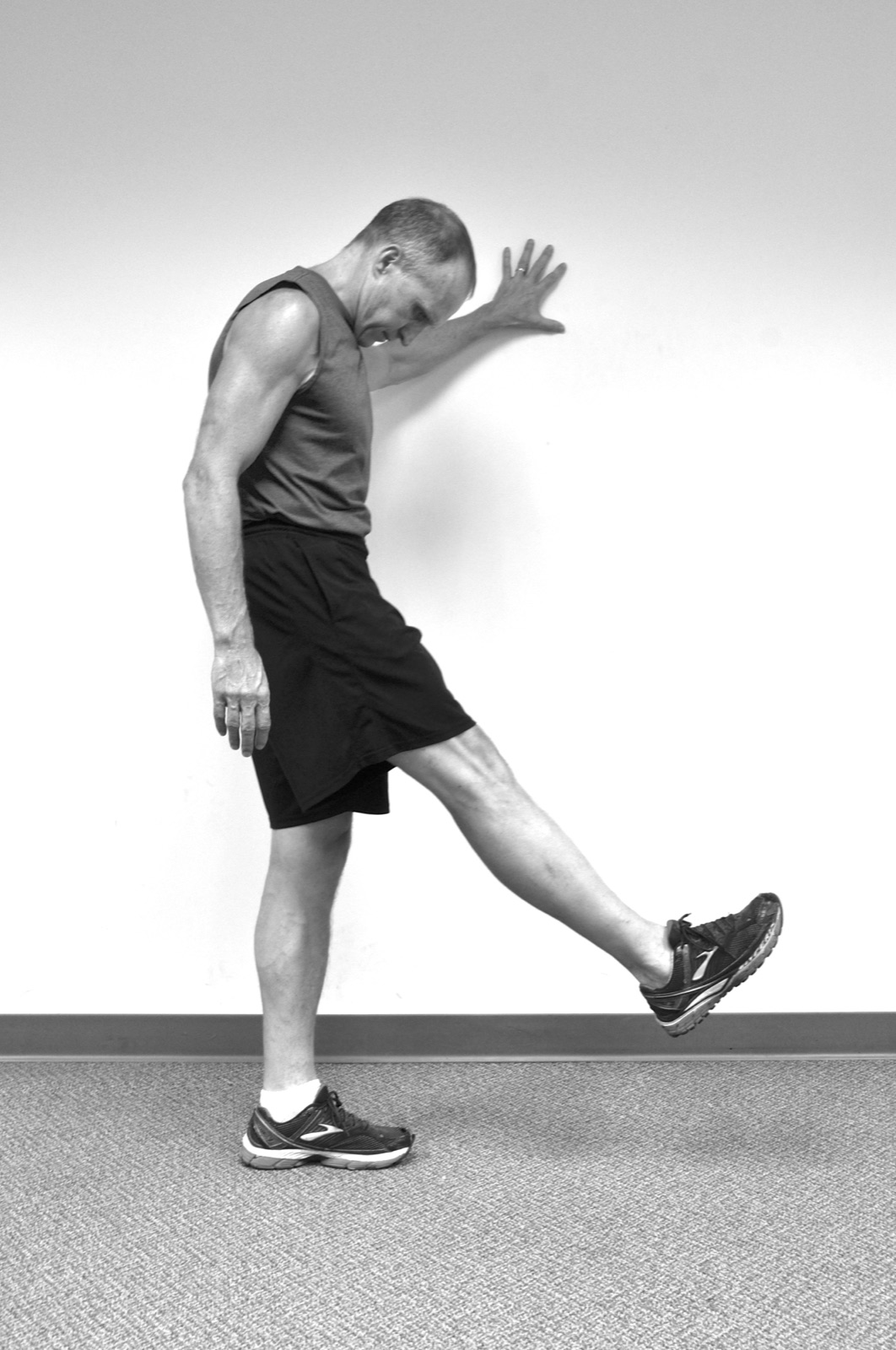
Figure 10-57. Standing leg mobility exercise.
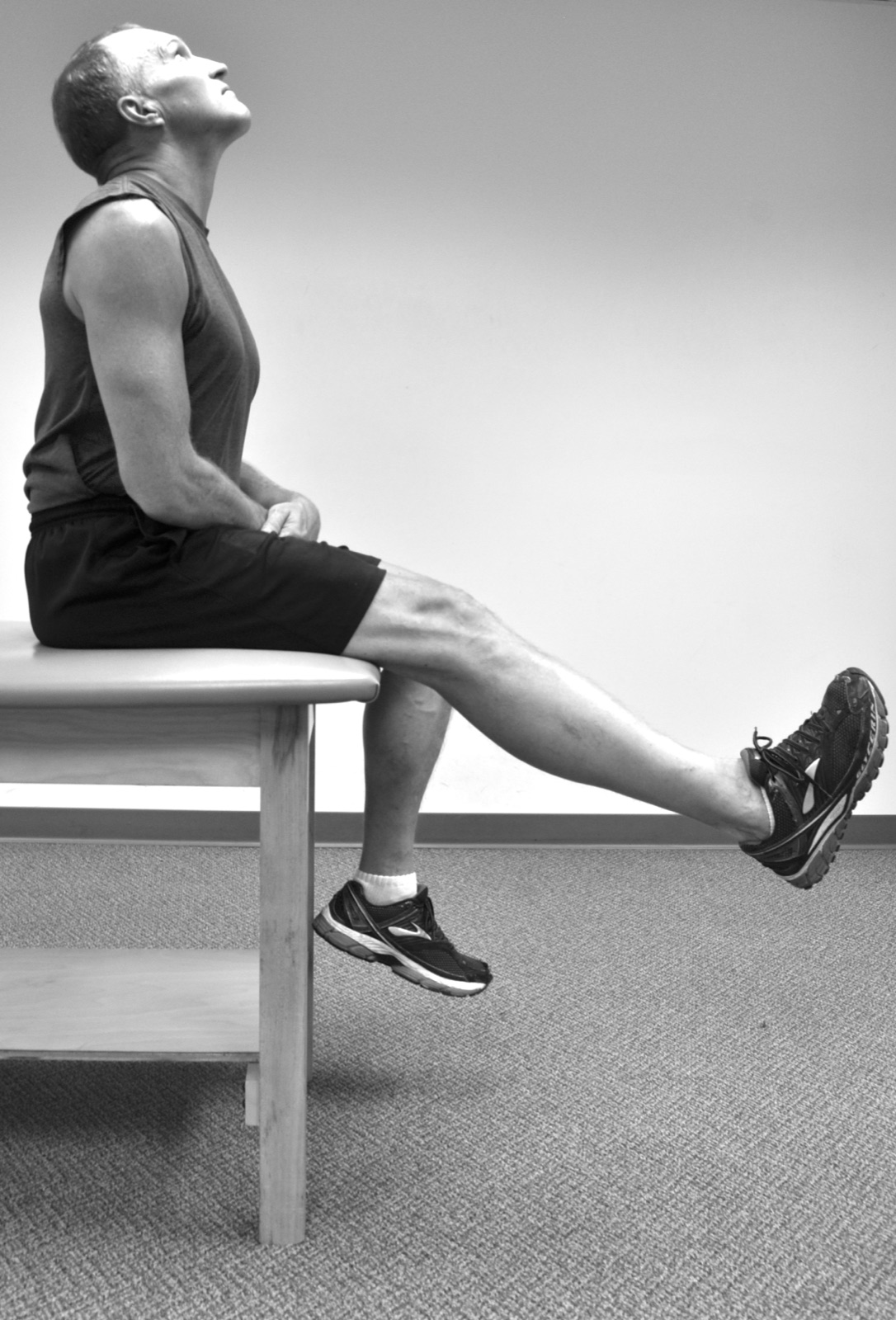
Figure 10-20. Seated leg mobility exercise.
Isn’t Surgery the Only Option?
It is an anatomical problem, so it is natural to assume surgery is the only fix, but for most people, it is reasonable to start without one. Dr. Murphy’s studies of patients treated non-surgically found that most improved with his program built around movement and hands-on care.[3], [5] A large randomized trial comparing surgery with structured physical therapy found no difference in physical function at two years between the two groups as originally assigned, though more than half of the patients assigned to physical therapy eventually chose to have surgery, which shows these are not simply interchangeable paths, just that many people can reasonably try the non-surgical route first.[6] Among patients whose symptoms were moderate enough that surgery was not chosen, most were the same or better several years later.[7] Surgery becomes the more urgent conversation when limitation is severe and disabling and doesn’t respond to non-surgical approaches, or when there is a progressive neurologic deficit. When that time comes, a great surgeon is a great asset. For most people with tolerable or moderate symptoms, though, it is reasonable to begin with the non-surgical approach, keeping the spine and nerves moving, before considering an operation.
How Do the Exercises and Manipulation Work?
The working idea behind this care is that getting the spine and nerves to move helps reduce the pain. That is the purpose of the exercises and manipulation, though the exact mechanism is not fully proven and likely involves several factors working together.
The exercises are simple but specific maneuvers, most of which you can do at home under a clinician’s direction, designed to mobilize your spine and the nerves that are being compressed. A review of exercise programs for stenosis found that the interventions with the best track record tend to combine several elements.
Program elements with the best evidence:
- Manual and exercise-based nerve mobilization
- Manual and exercise-based spine mobilization
- Education to understand the realities and myths about spinal stenosis
- Self-care strategies to improve activities such as walking and general exercise
Once the mobility of your spine and nerves has increased and the pain has improved, the key is to keep them moving with a series of simple maintenance exercises. You can see the kinds of movements we prescribe on our exercise handouts.
Do the Exercises and Manipulation Hurt?
Mild or moderate discomfort is common, especially at the beginning of treatment. It usually lessens over time as your spine and nerves regain their movement. If more significant pain occurs, the exercises and manipulation can be adjusted. Care should meet your body where it is, not force it.
What About Injections?
Epidural steroid injections do not correct the narrowing itself, and the evidence for how much they help is limited. In a randomized trial, adding steroid to the injection produced little to no additional short-term benefit compared with a numbing injection alone, and there was no comparison against doing nothing at all, so it is hard to say how much of any relief comes from the injection versus the natural ups and downs of the condition.[9] Clinical practice guidelines do not recommend epidural steroid injections as a routine part of care for lumbar spinal stenosis.[10] For a patient whose pain is too severe to tolerate exercise, a short, cautious trial of an injection (one option discussed together, not a default) can occasionally create enough of a window to get the active care started. It is a possible bridge to the work that helps most, not a substitute for it.
The Bottom Line
While there is no way to get rid of spinal stenosis itself, studies have shown there are ways to improve your ability to walk and do the other things that matter to you, with less interference from pain: in other words, to improve your quality of life.[11] Many of the things that help most are simple things you can do for yourself: exercises designed to improve and maintain the mobility of your spine and nerves.
If you live in the Rhode Island area and back-and-leg pain is shrinking how far you can walk, you do not have to just live with it. You can book a visit to get started with a thorough evaluation and a plan built around your particular problem.
Frequently Asked Questions
What is lumbar spinal stenosis?
Lumbar spinal stenosis is a narrowing of the space in your lower spine through which nerves pass. It usually results from a combination of factors, including disc herniation, thickening of a ligament, and bone spurs, and is most common in adults age 50 and up. Very rarely, something else such as a tumor or cyst is involved.
What are the symptoms of lumbar spinal stenosis?
The classic symptom is lower back pain that extends into the leg and is triggered by standing or walking. The pain usually does not start right away. It builds after a certain amount of time on your feet and eases when you bend forward or sit down. Many people notice they can walk farther when leaning on a shopping cart. Some also have numbness, tingling, occasional weakness, or a feeling of heaviness in the legs.
Do I need surgery for lumbar spinal stenosis?
Usually not. Surgery is necessary in some cases, particularly when limitation is severe and disabling or when there is a progressive neurologic deficit, and a great surgeon is a great asset when it is needed. For people with tolerable or moderate symptoms, though, it is reasonable to start without an operation: a program built around specific exercises, spinal manipulation, and nerve mobilization has helped many people improve without surgery.
Can lumbar spinal stenosis be treated without surgery?
Yes. In most cases self-care built around very specific exercises, along with spinal manipulation and nerve mobilization, can improve the condition. The goal is to get the spine and nerves moving again. As mobility improves, the pain usually improves, and simple ongoing exercises help maintain the gains.
Is lumbar spinal stenosis curable?
There is no way to get rid of the stenosis itself, but that is not the same as being stuck with the pain. Studies show that walking ability and quality of life can be improved, with less interference from pain, and much of what helps is simple exercises you can do for yourself to keep your spine and nerves moving.
References
-
Katz JN, Zimmerman ZE, Mass H, Makhni MC. Diagnosis and Management of Lumbar Spinal Stenosis: A Review. JAMA. 2022;327(17):1688-1699. PubMed ↩
-
Burgstaller JM, Schüffler PJ, Buhmann JM, et al. Is There an Association Between Pain and Magnetic Resonance Imaging Parameters in Patients With Lumbar Spinal Stenosis? Spine. 2016;41(17):E1053-E1062. PubMed ↩
-
Schneider MJ, Ammendolia C, Murphy DR, et al. Comparative Clinical Effectiveness of Nonsurgical Treatment Methods in Patients With Lumbar Spinal Stenosis: A Randomized Clinical Trial. JAMA Netw Open. 2019;2(1):e186828. PMC ↩
-
Ammendolia C, Hofkirchner C, Plener J, et al. Non-operative treatment for lumbar spinal stenosis with neurogenic claudication: an updated systematic review. BMJ Open. 2022;12(1):e057724. PMC ↩
-
Murphy DR, Hurwitz EL, Gregory AA, Clary R. A non-surgical approach to the management of patients with lumbar spinal stenosis: a prospective observational cohort study. BMC Musculoskelet Disord. 2006;7:16. PMC ↩
-
Delitto A, Piva SR, Moore CG, et al. Surgery versus nonsurgical treatment of lumbar spinal stenosis: a randomized trial. Ann Intern Med. 2015;162(7):465-473. PMC ↩
-
Wessberg P, Frennered K. Central lumbar spinal stenosis: natural history of non-surgical patients. Eur Spine J. 2017;26(10):2536-2542. PubMed ↩
-
Comer C, Williamson E, McIlroy S, et al. Exercise treatments for lumbar spinal stenosis: a systematic review and intervention component analysis of randomised controlled trials. Clin Rehabil. 2024;38(3):361-374. PMC ↩
-
Friedly JL, Comstock BA, Turner JA, et al. A Randomized Trial of Epidural Glucocorticoid Injections for Spinal Stenosis. N Engl J Med. 2014;371(1):11-21. PubMed ↩
-
Bussières A, Cancelliere C, Ammendolia C, et al. Non-Surgical Interventions for Lumbar Spinal Stenosis Leading To Neurogenic Claudication: A Clinical Practice Guideline. J Pain. 2021;22(9):1015-1039. PubMed ↩
-
Ammendolia C, Côté P, Southerst D, et al. Comprehensive Nonsurgical Treatment Versus Self-directed Care to Improve Walking Ability in Lumbar Spinal Stenosis: A Randomized Trial. Arch Phys Med Rehabil. 2018;99(12):2408-2419.e2. PubMed ↩
Wondering if This Applies to You?
Dr. Murphy finds the real cause of your pain and builds a treatment plan matched to that cause. If you have been dealing with persistent spine pain, a thorough evaluation is the place to start.